By seven in the evening the calle behind the Rialto fish market is standing room only. Plastic cups of wine balance on window ledges, nobody is sitting down, and the noise bounces off the stone in a way that no restaurant ever quite manages. This is a giro d'ombre — a round of shadows, named for the days when wine barrels were kept in the shade of the campanile and moved as the sun moved. These days it just means going from bar to bar for a small glass of wine and a bite standing up, and it is still how a lot of Venice eats dinner.
What cicchetti actually are
Cicchetti are not tapas, whatever the menus in translation like to claim. They are closer to the leftovers of a market culture: a slice of bread with something on it, a skewered meatball, a few slivers of baccalà mantecato (whipped salt cod, paler and milder than it sounds) on white polenta. A bacaro is the bar that serves them, usually a narrow room with a marble counter, a fridge of white wine, and standing space for maybe a dozen people if everyone breathes in. You order at the counter, you eat standing at the counter or out on the street, and you pay when you leave, not when each round arrives.
An ombra — a small glass of house wine, generally 2 to 3 euros — is the default drink. Ask for a spritz and you will get one, but the bar staff will clock you instantly as a tourist; a spritz is what you have at an outside table with a view, not standing at a cicchetti counter. Most single cicchetti run 1.50 to 3.50 euros. Three or four plus two ombre is a proper light dinner for around 15 euros, which is roughly a third of what the same evening costs sitting down near Piazza San Marco.
The Rialto stretch
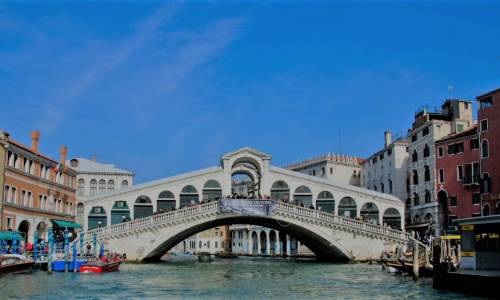
The area around the Rialto Bridge and the old Rialto Market is the obvious place to start, mostly because it is the only part of central Venice where locals still genuinely outnumber visitors before about six in the evening. Cantina Do Mori, tucked into a narrow calle off the market, has been pouring wine since 1462 and still does not have anywhere to sit; order a francobollo, a stamp-sized tramezzino sandwich, and eat it leaning against the wall like everyone else. A few doors along, All'Arco does some of the best crostini in the sestiere, though it is standing room only and shuts by mid-afternoon most days, so this is a lunchtime stop rather than an evening one. The market itself, in San Polo, is worth timing your visit around: get there before 8am on a weekday and you will see the fish stalls in full swing before the crowds arrive.
Dorsoduro and Cannaregio
Once the Rialto bars start filling with tour groups, the better crawl shifts across the Grand Canal to Dorsoduro. Cantine Del Vino Già Schiavi, by the Ponte San Trovaso, is a family-run place with a wall of bottled wine and small open sandwiches topped with things like speck and gorgonzola, or sun-dried tomato and stockfish. It is a five-minute walk from the Accademia bridge and gets a fraction of the footfall of anywhere near San Marco.
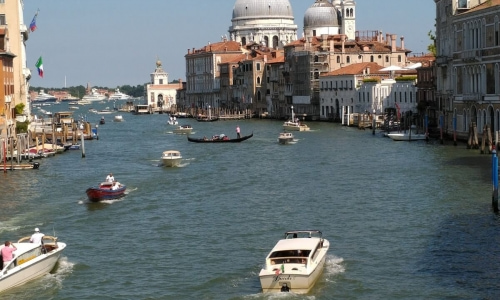
Cannaregio is the other serious option, and my preference on a warm evening. The Fondamenta della Misericordia is a long straight canal-side strip with a run of bars, and unlike Dorsoduro's single standout, here you can genuinely hop three or four doors down when a place gets too crowded. Vaporetto line 1 or the faster 4.1 to Ca' d'Oro or San Marcuola gets you there in ten minutes from the Rialto; from the station end of Cannaregio it is a ten-minute walk up from the Grand Canal.
A rough glossary
| Dish | What it is | Typical price |
|---|---|---|
| Baccalà mantecato | Whipped salt cod on grilled polenta or bread | €2–3 |
| Sarde in saor | Sardines marinated with onions, raisins and pine nuts | €2.50–4 |
| Polpette | Small fried meatballs, meat or tuna | €1.50–2.50 |
| Folpetti | Baby octopus, usually boiled and dressed with oil and parsley | €3–5 |
| Francobollo | A tiny tramezzino, one or two bites | €1.50–2.50 |
Doing it properly
Bring cash. Some bacari now take cards, but plenty of the best ones still run on notes and coins only, and nobody wants to hold up a queue three deep at the counter over a 2-euro glass of wine. Go in the early evening, from about six, before the dinner-service restaurants pull their shutters up and the streets fill again; that hour or so is when the bacari are busiest with people who actually live there. And do not expect a menu in English, or sometimes any menu at all — point at what looks good behind the glass counter, or ask what's fresh. Nobody will mind, and most bartenders would rather you ask than order badly off a laminated tourist card.
- Order and eat standing; tables, where they exist, usually cost more and slow the whole thing down.
- Pace yourself across three or four bars rather than parking at the first one — that is the whole point of a giro.
- Weekday lunchtimes near the market are quieter than evenings; Saturday evening in Cannaregio is the loudest and busiest by far.
- Skip anywhere on the main routes to St Mark's Square advertising a fixed-price "cicchetti menu" with photos outside — that is almost always aimed at people who will not be back.
None of this requires a booking or a plan beyond picking a sestiere and starting to walk. Venice's vaporetto network makes it easy enough to cross from one crawl to another if the first bar is too full, and honestly, getting turned away from a packed Do Mori and wandering off to find somewhere quieter is as Venetian an experience as the wine itself.